
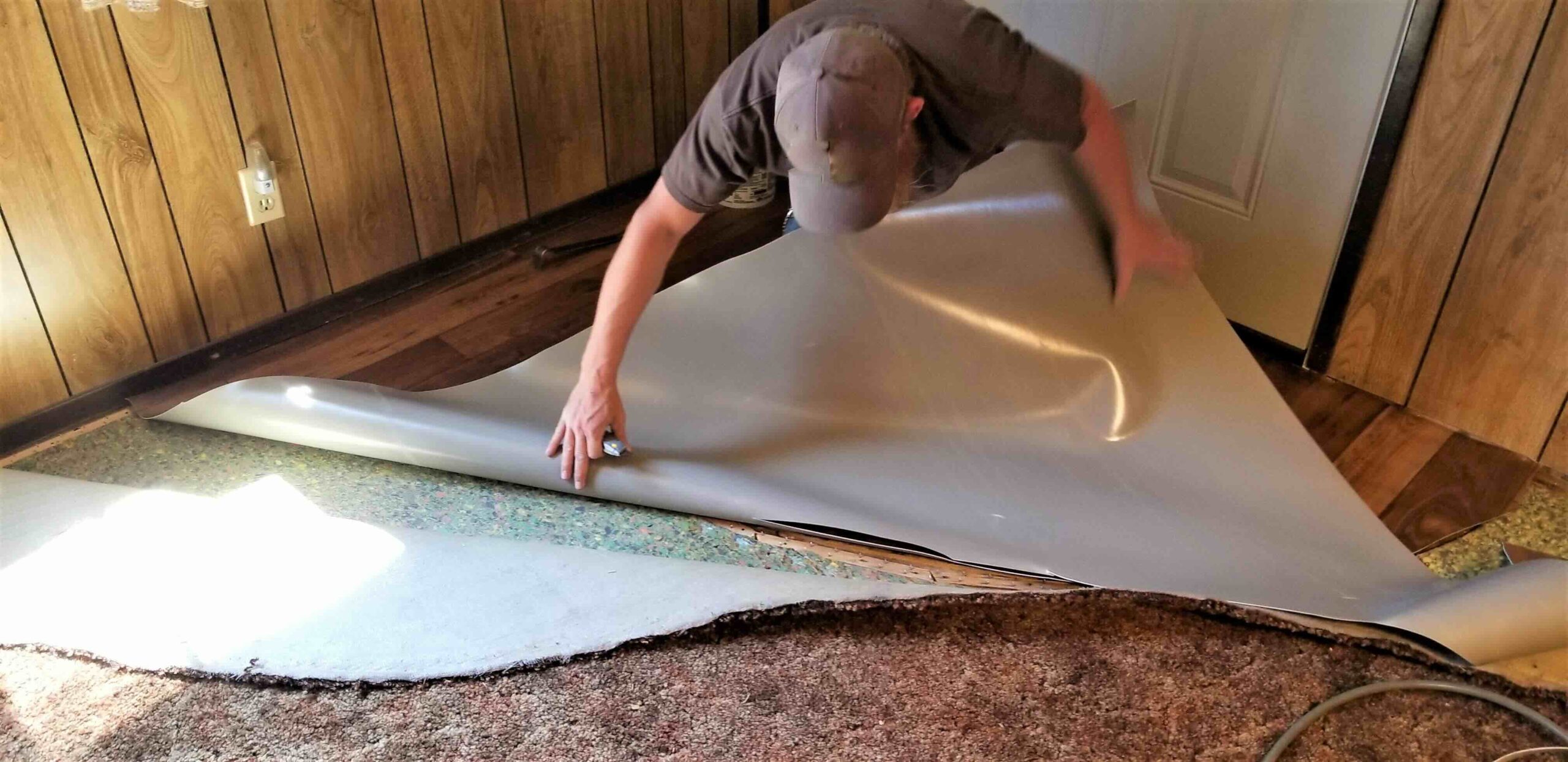
Increasing home value often starts with removing old, worn carpet and refreshing floors, but carpet removal can quickly become a messy, exhausting project without a solid plan. With the right tools, techniques, and a properly sized dumpster rental from E&J Disposal, you can keep debris under control and move smoothly toward your home’s next chapter of fresh carpet or new hardwood floors.
1. Plan Your Carpet Removal Project
Successful carpet removal starts with planning the scope of work, timeline, and disposal strategy before you pull the first corner. Measure each room, note furniture that must be moved, and estimate how many hours or days the project will take so you can coordinate your dumpster rental window with E&J Disposal.
2. Gather the Right Tools and Safety Gear
Carpet removal involves sharp tack strips, staples, and heavy materials, so the right gear keeps you safe and efficient. At minimum, use work gloves, safety glasses, knee pads, a utility knife with fresh blades, pry bar, pliers, and a dust mask—especially in older homes with lots of trapped dust.
3. Clear and Protect the Space
Before cutting any carpet, remove furniture, décor, and electronics from the room and protect adjacent flooring. Use plastic sheeting or drop cloths at doorways and over vents to keep dust contained and prevent debris from scattering into finished areas of your home.
4. Cut Carpet into Manageable Strips
Full-room carpet is heavy and awkward, so cutting it into manageable strips makes removal much easier on your back. Use your utility knife to slice the carpet into 2–3 foot-wide sections, roll each strip tightly, and secure with tape so it stacks neatly in your dumpster from E&J Disposal.
5. Don’t Forget the Carpet Pad
Once the carpet is gone, you’ll find the carpet pad stapled or glued to the subfloor, and it often tears into small pieces. Work in sections, pulling up the pad and using pliers to remove stubborn staples so you’re not leaving behind sharp hazards before your new flooring goes down.
6. Remove Tack Strips Carefully
Tack strips hold carpet along the edges but are lined with sharp nails that can easily cause injury if left behind. Use a pry bar and hammer to lift them carefully, working in small sections and dropping strips directly into a container or hauling them straight to your dumpster to keep pathways clear.
7. Inspect and Prep the Subfloor
With carpet, pad, and tack strips removed, you finally see the true condition of your subfloor. Look for squeaks, water damage, or soft spots and make repairs now—such as tightening loose screws or replacing damaged sections—before installing new flooring so your investment lasts.
8. Manage Dust and Allergens
Old carpet holds years of dust, dander, and allergens that release into the air during removal. Run an air purifier if you have one, vacuum the subfloor with a HEPA filter shop vac, and keep windows open when possible to improve ventilation throughout the project.
9. Use a Dumpster Rental for Efficient Carpet Removal
Carpet, padding, tack strips, and debris add up quickly, often exceeding what curbside pickup will handle. Renting a dumpster for your carpet removal project keeps everything contained in one place, prevents piles from taking over your driveway or garage, and saves repeated trips to the landfill.
Instead of cramming rolled carpet into small cans or your vehicle, you can toss each bundle directly into a roll-off dumpster as you work. This setup speeds up the project, reduces clutter and trip hazards, and helps you finish the job faster so you can move on to installing new flooring.
10. Choose the Right Dumpster Size from E&J Disposal
E&J Disposal offers a range of dumpster sizes so you can match the container to your carpet removal project, whether you’re tackling a single room or an entire house.
- 6 yard dumpster (about 7′ x 12′ x 2′ tall): Great for small carpet removal jobs such as a bedroom or small living space, end-of-job cleanup, and tight driveways where space is limited.
- 10 yard dumpster (about 7′ x 12′ x 3’6″ tall): Ideal for standard room carpet removal and small home remodeling projects where you have carpet plus light construction debris.
- 15 yard dumpster (about 7′ x 12′ x 5′ tall): Good for whole-floor or multi-room carpet removal and general construction debris when you’re updating several areas at once.
- 20 yard dumpster (about 7′ x 19′ x 4′ tall): A popular size for larger homes where you’re removing carpet throughout the house or combining carpet removal with additional renovation waste.
- 30 yard dumpster (about 7′ x 19′ x 6′ tall): Best for big cleanup projects, full-home renovations, or carpet removal paired with major demolition and remodeling debris.
E&J Disposal’s deep inventory of roll-off dumpsters means you get the right size for your specific carpet removal needs, without overpaying for more space than necessary.
Why a Dumpster Rental from E&J Disposal Helps Carpet Removal Projects
E&J Disposal has been serving homeowners in the western Chicago suburbs with reliable, affordable roll-off dumpsters for more than 26 years, making them a smart choice for carpet removal projects. Their residential dumpster rentals are designed to simplify home projects like home clean-ups and remodeling, which naturally includes tearing out old carpet and padding.
A few reasons E&J Disposal fits carpet removal so well:
- Large inventory of 6, 10, 15, 20, and 30 yard dumpsters ensures there’s a perfect match for your project size.
- Same-day delivery is available within about 10–15 miles of Carol Stream when you order early, keeping your project moving without delay.
- Driveway-friendly dimensions allow dumpsters to fit on most residential properties without dominating your space.
- Location-based flat-rate pricing helps you budget clearly for your carpet removal job with one predictable cost.
By partnering with E&J Disposal for your carpet removal, you can roll up and toss old carpet, padding, and tack strips as you go, instead of worrying about pileups or multiple dump runs. Their fast delivery and pickup also mean the dumpster won’t sit in your driveway longer than necessary—once you’re done, they haul it away so you can enjoy your fresh, updated floors.
Frequently Asked Questions About Carpet Removal and Dumpsters
How much carpet fits in a dumpster?
A 10 yard dumpster can typically handle carpet and padding from several average-sized rooms, while a 15–20 yard dumpster is better for whole-floor or whole-house carpet removal.
Can carpet and padding go in the same dumpster?
Yes, in most residential dumpsters you can mix carpet, padding, tack strips, and related debris, as long as you’re not including restricted materials like hazardous waste.
How long should I rent a dumpster for carpet removal?
Many homeowners schedule a dumpster from E&J Disposal for a few days to a week, depending on how many rooms they’re tackling and whether they’re working nights or weekends.
What size dumpster is best for a full-house carpet removal?
For an entire home, a 20 or 30 yard dumpster from E&J Disposal provides enough capacity to handle carpet, padding, and associated debris in one container.
Final Thoughts
Carpet removal is one of the most impactful first steps in transforming your home, but it comes with heavy, bulky waste that’s tough to manage without the right plan. By following these 10 tips—from planning and safety to subfloor prep and dust control—you can make the process smoother and safer while getting better results for your new floors.
Pairing your project with a properly sized dumpster rental from E&J Disposal turns carpet removal from a stressful, messy chore into a manageable, streamlined project. With multiple roll-off sizes, same-day and next-day delivery options, and homeowner-friendly service, E&J Disposal helps you clear out old carpet quickly so you can move on to installing beautiful new flooring with confidence.