
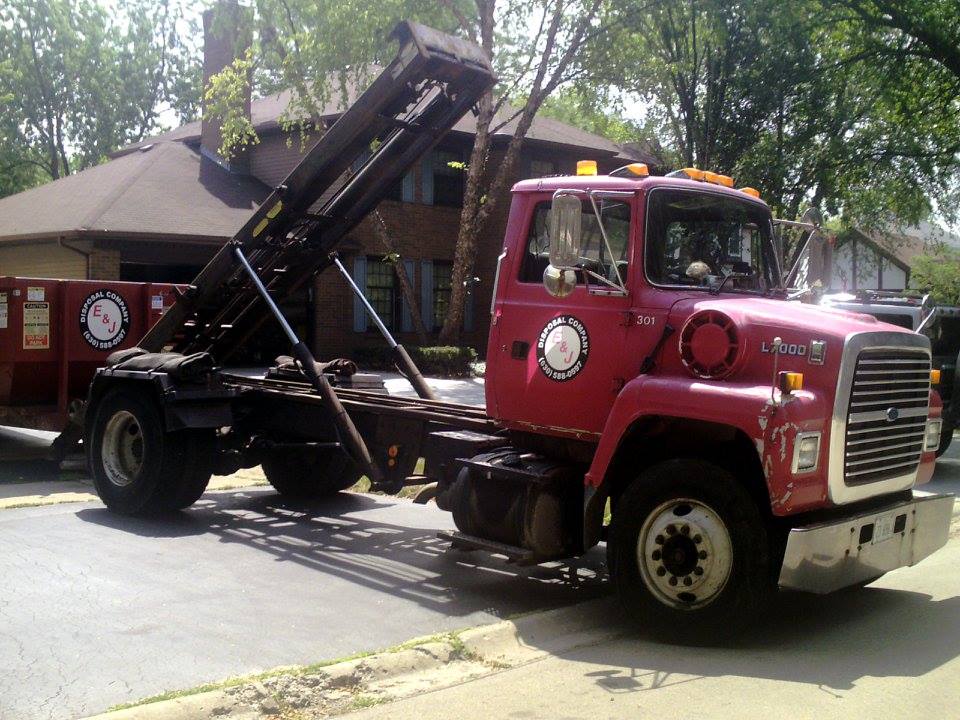
Roof and Siding Contractors: Create Safer, Cleaner Job Sites with On-Site Dumpsters
Roof and siding contractors rely on tight timelines, clean job sites, and safe crews to stay profitable and protect their reputations. On‑site roll‑off dumpsters are one of the simplest tools to improve safety and reduce job-site injuries on every project.
Why Waste Management Matters for Roof and Siding Contractors
Roof and siding work is already high‑risk because it typically involves ladders, scaffolding, and elevated work areas. When you add loose shingles, nails, old underlayment, house wrap, and broken siding panels scattered around the property, that risk goes up dramatically.
Key reasons waste control matters:
- Falling debris from tear‑offs can injure workers, homeowners, and pedestrians if it is not directed into a safe landing zone.
- Loose nails, screws, and sharp metal edges on the ground create obvious puncture and trip hazards.
- Piles of old material around the house block access, emergency egress routes, and equipment paths.
- Poorly controlled waste slows down the crew and can trigger callbacks or damage claims from customers.
By building debris control into your standard operating procedures, you reduce the chance of violations, workers’ compensation claims, and negative reviews tied to unsafe and messy job sites.
How On-Site Dumpsters Improve Job-Site Safety
A properly sized and placed roll‑off dumpster turns a chaotic job into a predictable workflow. For roof and siding contractors, that translates directly into fewer injuries and smoother production days.
Containing Hazardous Debris
Roof and siding removal produces:
- Old shingles and felt or underlayment
- Rotten wood or sheathing
- Metal drip edge and flashing
- Siding panels, trim, and insulation
- Nails, staples, and fasteners
When these materials land randomly in the yard, driveway, and walkways, every trip across the site becomes a potential injury. By aiming tear‑off debris into a dumpster or into a chute that empties into a dumpster, you keep the most dangerous material contained from the start.
This reduces:
- Eye and head injuries from falling debris
- Puncture wounds from nails and sharp edges on the ground
- Twisted ankles from walking across piles of loose material
Reducing Slips, Trips, and Falls
Construction remains one of the highest‑hazard industries, and many incidents are tied to cluttered work areas, obstructed paths, and poorly managed materials. Many of those events are tied to cluttered work areas, obstructed paths, and poorly managed materials.
On‑site dumpsters support safer footing by:
- Keeping walkways, driveways, and access points clear of bulky debris
- Limiting how far workers have to carry heavy shingles or siding offcuts
- Preventing improvised dump piles that shift underfoot
Fewer obstacles around ladders, scaffolds, and material staging areas means your crew can move confidently and maintain better balance on every trip.
Protecting Homeowners and Neighbors
Residential roof and siding projects take place in driveways, front yards, and back patios where family members, pets, and neighbors may walk through during the day. A centralized dumpster helps you:
- Establish designated no‑go zones around drop areas
- Keep nails and sharp scrap away from high‑traffic paths
- Minimize the chance of tire damage from stray debris in driveways
A cleaner, safer site not only protects people—it protects your reputation and reduces the chance of post‑project complaints about nails, glass, or cutting hazards left behind.
Dumpster Placement and OSHA-Inspired Best Practices
Dumpster placement is almost as important as having a dumpster at all. Poor placement can create new hazards or block emergency access, even if your crew is diligent about housekeeping.
General Placement Guidelines
While every property is different, roof and siding contractors can follow several widely recognized best practices:
- Maintain at least 15 feet of clearance from building entrances and fire connections whenever possible.
- Keep about 20 feet of clearance for emergency access routes so emergency vehicles can reach the property.
- Place dumpsters outside equipment swing radii and main travel paths for lifts, trucks, or trailers.
- Choose level, stable ground to prevent container tipping or shifting during loading.
- Maintain clear sightlines for drivers backing in or out near the container.
These habits align with the emphasis on clear egress routes, properly maintained work areas, and controls around material handling and waste.
Integrating Dumpsters into Tear-Off Workflow
For maximum safety, dumpsters should be integrated into your standard tear‑off sequence, not treated as an afterthought.
Many roof and siding contractors:
- Stage the dumpster where debris can be tossed directly from the roof or from a chute, reducing carrying distance and manual handling.
- Use ground crews to keep material flowing into the container instead of letting piles accumulate.
- Assign a lead or foreman to monitor fill level and balance, preventing overloading or unstable, top‑heavy piles.
This approach keeps the site organized and minimizes unnecessary trips across cluttered ground.
Matching Dumpster Sizes to Roof and Siding Jobs
Having the right dumpster size is key to safety and efficiency. Too small, and you end up with overflow, loose piles, or multiple swaps that disrupt the schedule; too large, and you may block driveways or create access issues.
Common Dumpster Sizes for Contractors
E & J Disposal maintains a deep inventory of roll‑off dumpster sizes, including 6, 10, 15, 20, and 30 yard containers. This range makes it easier for roof and siding contractors in Aurora and the western Chicago suburbs to match container capacity to the project.
Typical use cases:
- 6–10 yard: Smaller siding repairs, small porch roofs, or light exterior work with limited tear‑off.
- 15–20 yard: Standard residential roof replacements, moderate siding projects, and mixed exterior renovations.
- 30 yard: Larger homes, multi‑unit buildings, or combined roof, siding, and exterior trim projects where debris volume is substantial.
Working with a rental partner that understands contractor needs makes it easier to choose the safest, most cost‑effective size for each job.
Operational Benefits That Also Improve Safety
Safety and efficiency go hand in hand on roofing and siding projects. When waste management is streamlined, your crew can move faster without cutting corners or improvising risky shortcuts.
Less Double Handling and Heavy Lifting
Without on‑site dumpsters, crews may:
- Stack debris on tarps or in piles, then reload everything into pickups or trailers.
- Carry heavy bundles and panels long distances across uneven ground.
- Make extra trips around the house to reach improvised dump areas.
Each extra step adds fatigue and increases the chances of missteps, dropped materials, and strains. Central dumpsters reduce double handling and keep lifting within safer ranges by shortening carry distances and giving crews a clear, direct route to dispose of waste.
Cleaner Sites Mean Fewer Distractions
A cluttered job site distracts workers who are already focused on complex tasks like flashing details, step flashing, siding transitions, and window trims. When workers have to constantly watch their feet, dodge piles, or work around scattered materials, their attention is split.
On‑site dumpsters support:
- Consistent housekeeping throughout the day, not just at the end.
- Clear staging zones for new materials versus waste.
- Easier end‑of‑day cleanup, reducing overtime and rush‑hour mistakes.
This more organized environment supports the kind of focused, precise work that reduces errors and accidents.
Why Roof and Siding Contractors in Aurora, IL Should Use E & J Disposal
For contractors in Aurora and the surrounding western suburbs, choosing the right dumpster rental partner matters just as much as choosing the right container size. E&J Disposal is built around serving contractors, homeowners, and businesses with fast, reliable, safety‑minded dumpster services.
Contractor-Friendly Service and Scheduling
E&J Disposal specializes in contractor, homeowner, and business dumpster rentals and offers same‑day or next‑day deliveries to many western suburbs, including Aurora. For roof and siding contractors, this responsiveness is critical when weather changes the schedule or a project expands mid‑stream.
Key service advantages for your crews:
- Same‑day on‑site placement when ordered early in the day, subject to availability.
- Next‑day delivery in nearby service areas, with extended coverage available.
- Deep inventory that reduces the chance of size shortages when you need an extra container quickly.
Fast swaps and reliable deliveries help you stay on schedule while keeping debris contained from the first shingle or siding panel you remove.
Wide Range of Dumpster Sizes
Because E&J Disposal maintains multiple dumpster sizes—from compact 6 yard containers to large 30 yard roll‑offs—you can match the container to the property and project scope.
For example:
- Tight urban lots or townhomes near Aurora may benefit from a smaller dumpster that can fit in limited driveway space.
- Larger single‑family homes or small commercial buildings can often use 20 or 30 yard containers for full roof and siding tear‑offs.
By choosing the right size, you avoid overflowing containers that create safety hazards and prevent debris from spilling into traffic paths or neighbor properties.
Local Expertise and Reliable Reputation
E&J Disposal has been serving the western Chicago suburbs, including Aurora, West Chicago, and Elgin, for many years. Their focus on customer service and contractor support means you get clear communication about delivery windows, placement, and pickup coordination.
That consistency helps roof and siding contractors:
- Plan staging, material deliveries, and crew movements around a known container location.
- Maintain clean, safe sites that impress homeowners and inspectors.
- Build long‑term relationships with a roll‑off partner that understands construction projects.
A dependable local partner reduces surprises and keeps your risk profile lower over the long term.
Practical Tips for Roof and Siding Contractors Using On-Site Dumpsters
Even with the right dumpster and partner, your crew needs practical habits to get the full safety benefits.
Before the Job Starts
- Walk the property with the homeowner to choose a suitable dumpster location that balances access, protection of landscaping, and safety clearances.
- Confirm driveway condition and advise the homeowner about temporary boards or protection if needed for heavy containers and trucks.
- Coordinate delivery timing with E & J Disposal so the dumpster is in place before tear‑off begins.
- Establish traffic patterns for crew members, including ladder positions, material staging, and the safest path to the dumpster.
During Tear-Off and Installation
- Assign a crew member to keep debris flowing into the dumpster, minimizing piles on the ground.
- Use chutes or controlled drop zones from the roof into or near the dumpster to reduce manual handling and random falling debris.
- Monitor container fill level and distribute weight evenly, keeping heavier materials toward the center and bottom.
- Keep access to doors, sidewalks, and the street clear in case emergency personnel need to reach the property.
At the End of Each Day
- Conduct a magnet sweep around the house, driveway, and street to capture stray nails and metal debris.
- Walk the site with a flashlight during darker months to catch remaining tripping hazards.
- Confirm pickup timing with E & J Disposal so full dumpsters do not sit longer than necessary.
- Communicate with the homeowner so they know which areas are safe to access overnight.
These daily habits reinforce your safety culture and make on‑site dumpsters an integrated part of your risk‑reduction strategy.
Frequently Asked Questions About Dumpsters for Roof and Siding Contractors
How do roof and siding contractors choose the right dumpster size for each project?
Roof and siding contractors typically choose dumpster sizes based on roof square footage, number of layers being removed, and whether siding or other exterior materials are included in the tear‑off. Smaller projects may use 10–15 yard containers, while full roof replacements or combined exterior jobs often require 20-yard dumpsters or 30-yard dumpsters. Working with a rental provider that offers multiple sizes makes it easier to fine‑tune the choice for each property.
How do on-site dumpsters help roof and siding contractors reduce job-site injuries?
On‑site dumpsters help roof and siding contractors reduce job‑site injuries by keeping debris contained, minimizing trip hazards, and reducing how far workers carry heavy materials. Proper placement supports clear access routes and supports safe, unobstructed work areas. When contractors integrate dumpsters into their workflow, they see fewer slips, trips, falls, and struck‑by incidents from falling or scattered debris.
Where should roof and siding contractors place dumpsters to maximize safety?
Roof and siding contractors should place dumpsters on level, stable ground where crews can reach them easily without crossing ladders, cords, or equipment paths. Best practices recommend keeping dumpsters at least 15 feet from building entrances and fire connections and maintaining approximately 20 feet of clearance for emergency access routes. Containers should be located outside equipment swing zones and positioned so drivers and operators have clear sightlines.
What can roof and siding contractors put in a roll-off dumpster during exterior projects?
Most roof and siding contractors can place shingles, underlayment, felt, scrap wood, siding panels, trim pieces, and general construction debris into a roll‑off dumpster. Certain materials—such as hazardous chemicals, asbestos‑containing products, or special regulated wastes—may require separate handling and should not go into a standard construction dumpster. Contractors should confirm acceptable materials and any restrictions with their dumpster rental provider before the job starts.
How far in advance should roof and siding contractors schedule dumpster delivery with E & J Disposal?
Contractors should schedule dumpster delivery as early as possible once the project start date is confirmed, especially during busy roofing seasons. Flexible same‑day and next‑day service options give roof and siding contractors the ability to adjust for weather‑driven schedule changes. Coordinating delivery with material drop‑offs ensures the dumpster is on‑site before tear‑off begins.
Why is a local dumpster rental partner important for roof and siding contractors in Aurora, IL?
A local dumpster rental partner understands regional weather patterns, local access issues, and common project types, which helps roof and siding contractors plan more accurately. Local service to Aurora and nearby communities allows for quick deliveries, efficient pickups, and responsive support when project scopes change. This local focus makes it easier to maintain safe, clean job sites on every project.