Dumpster rentals are a crucial piece of the fire damage restoration puzzle, especially for homeowners and contractors in the Chicagoland Area dealing with massive debris, safety hazards, and tight timelines after a fire. When you combine that need with a responsive local roll‑off provider like E&J Disposal, the entire restoration process becomes safer, faster, and more cost‑effective.
Understanding Fire Damage Restoration
Fire damage restoration is the process of cleaning, repairing, and rebuilding a property after a fire so it’s safe, functional, and as close to pre‑loss condition as possible. It goes well beyond putting out the flames and includes dealing with smoke, soot, water from firefighting, and structural damage.
Key stages of fire damage restoration typically include:
- Emergency response and board‑up to secure the property and prevent further damage.
- Damage assessment to determine what can be cleaned, what must be removed, and what needs rebuilding.
- Debris removal and demolition of unsalvageable materials, often using roll‑off dumpsters for efficient hauling.
- Cleaning and deodorizing smoke and soot from structural elements and contents.
- Repair and reconstruction, including framing, drywall, flooring, and finishes.
In every phase where damaged materials are removed, a dumpster rental plays a central role in keeping the project organized and compliant with disposal rules.
Why Debris Management Is So Critical After a Fire
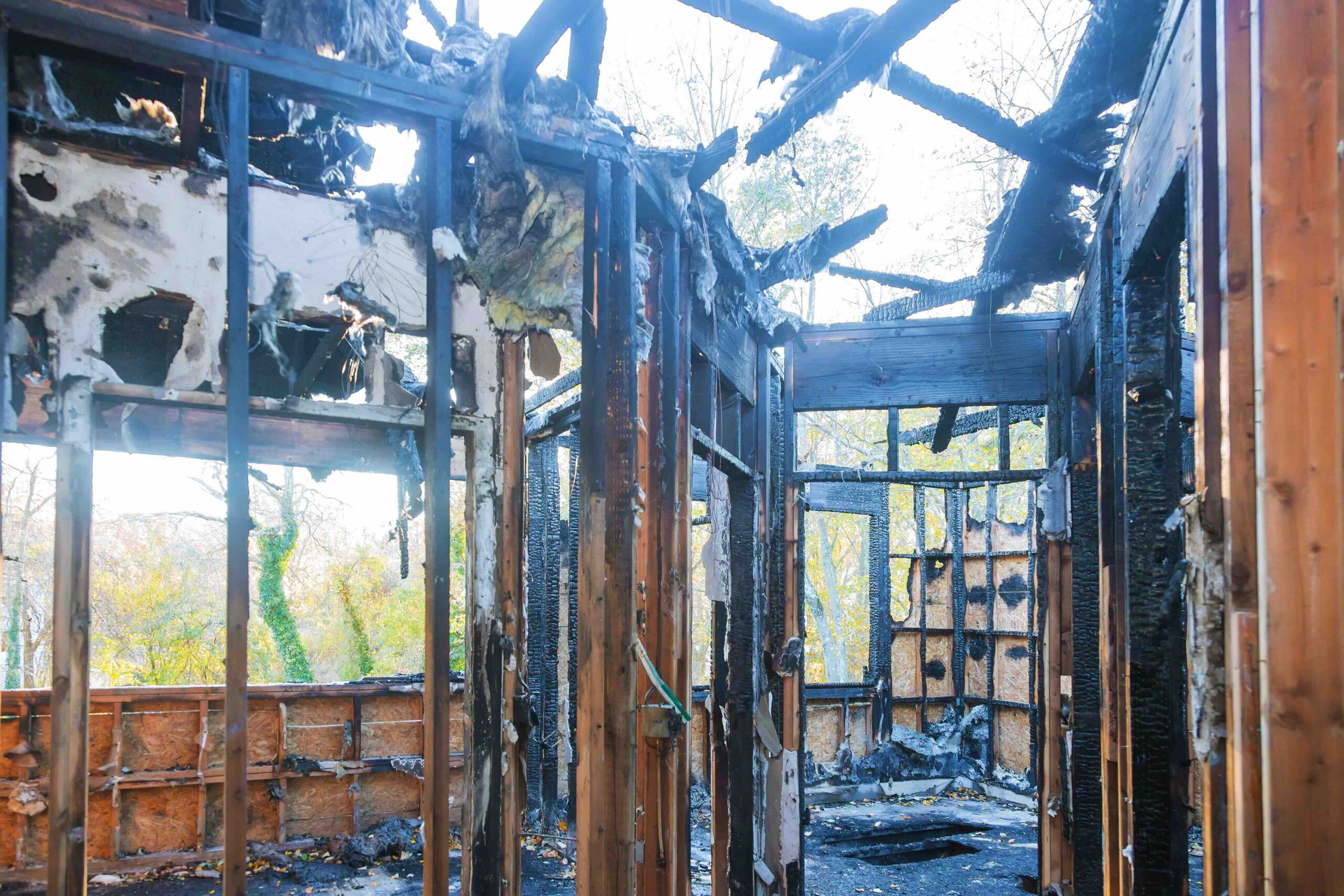
After a fire, properties can be filled with charred lumber, damaged drywall, roofing materials, broken glass, and soaked insulation. Leaving this debris scattered around creates serious hazards: sharp edges, trip risks, unstable piles, and potential contaminants.
Effective debris management helps you:
- Improve on‑site safety by getting dangerous materials off walkways, driveways, and work zones.
- Maintain clear access for restoration crews, electricians, plumbers, and inspectors.
- Prevent secondary damage, such as mold growth from wet materials or corrosion from acidic soot.
- Stay compliant with health and environmental regulations that govern how solid waste is handled in Illinois.
Roll‑off dumpster rentals give you a central, contained place to stage all non‑hazardous fire debris so it can be transported to appropriate disposal or recycling facilities.
Why Dumpster Rentals Are Essential for Fire Damage Restoration
Dumpster rentals aren’t just convenient; they’re essential for keeping a fire damage restoration project on track, on budget, and in compliance.
1. Safety on a Dangerous Job Site
Fire‑damaged structures can be unstable, and debris is often mixed, heavy, and sharp. By having a dumpster on site, crews can immediately remove unsafe materials instead of letting them pile up where people walk and work.
Benefits include:
- Fewer “trip” and cut hazards because waste goes directly into the container.
- Reduced risk of injuries related to carrying debris long distances across a property.
- Cleaner work zones that make it easier to spot structural issues and hazards.
2. Speed and Efficiency for Crews
Fire restoration is time‑sensitive; the longer soot, moisture, and debris sit, the more damage spreads. Having a correctly sized dumpster ready at the start means demolition and cleanup can begin immediately.
Dumpsters support efficiency by:
- Allowing continuous tear‑out of drywall, insulation, flooring, and roofing without stopping for repeated truck or trailer runs.
- Cutting down on labor hours spent managing waste in small batches.
- Keeping debris off the driveway and lawn, so equipment and vehicles can move freely.
For restoration contractors who may be juggling multiple projects, an on‑time delivery and pickup schedule is key to staying on deadline.
3. Handling the Volume and Weight of Fire Debris
Even a relatively small house fire can generate several tons of debris once you factor in structural materials, contents, and firefighting water damage. Standard pickup trucks and trailers simply can’t match the capacity of a 10, 20, or 30 yard roll‑off dumpster.
Dumpster rentals allow you to:
- Consolidate large volumes of debris in a single container instead of multiple trips.
- Safely load heavy items like framing lumber, roofing, cabinets, and flooring.
- Match the container size to the scale of damage, which helps control costs.
4. Regulatory and Environmental Compliance
Illinois and local counties have rules about how solid waste and construction debris must be handled and where it can be disposed of. Certain materials, such as asbestos, some hazardous wastes, and specific medical or infectious materials, must follow strict disposal processes and often cannot go into standard debris dumpsters.
Using a professional dumpster rental company familiar with construction and disaster debris helps you:
- Ensure waste goes to approved landfills or recycling facilities.
- Avoid improper open burning of materials that are not allowed, such as non‑wood construction debris.
- Simplify documentation if your insurance carrier or municipality needs proof of lawful disposal.
5. Cleaner Curb Appeal and Less Stress
After a fire, the property owner is already dealing with emotional and logistical stress. A dumpster rental helps minimize the chaos by preventing unsightly piles of debris on lawns, sidewalks, and streets.
This matters because:
- Neighbors and HOAs are more likely to be patient when debris is contained.
- You reduce the risk of wind‑blown debris scattering across the neighborhood.
- The site looks more organized, which can make the restoration process feel more manageable for the owner.
What Can (and Can’t) Go in a Fire Restoration Dumpster
Not everything from a fire‑damaged structure should go into a standard dumpster, but a lot of typical building and contents debris can. Always follow your dumpster provider’s guidelines and any local or state regulations.
Common Materials That Typically Can Go In
- Burned or wet lumber and framing (non‑treated, non‑hazardous).
- Drywall, plaster, and insulation that are not classified as hazardous.
- Roofing shingles, underlayment, and sheathing, as allowed by the hauler.
- Damaged cabinets, doors, trim, and interior finishes.
- Flooring materials like carpet, padding, tile, and laminate.
- Non‑hazardous household debris and furnishings ruined by fire or smoke.
Materials That Often Require Special Handling
Some items may need to be separated, recycled, or handled by specialized contractors and may not be allowed in a regular roll‑off dumpster:
- Asbestos‑containing materials (older flooring, insulation, certain siding).
- Lead‑based paint from older structures, depending on the local rules.
- Chemicals, solvents, fuel, and some cleaning agents.
- Pressurized containers such as propane tanks.
- Certain electronics, appliances, and batteries.
If you suspect hazardous materials, coordinate with your restoration contractor and dumpster provider before loading them.
Choosing the Right Dumpster Size for Fire Damage Restoration
Selecting the right dumpster size is one of the most important decisions you’ll make early in the project. Too small, and you spend extra on multiple hauls; too large, and you may pay for unused space.
E&J Disposal offers a range of roll‑off sizes, including 6, 10, 15, 20, and 30 yard containers. For fire damage restoration, mid‑ to large‑size dumpsters are usually the most practical.
Dumpster Sizes Commonly Used in Fire Projects
| Typical Dumpster Size | Approximate Use Case in Fire Damage Restoration | Notes |
| 10 yard | Small room fire, limited demolition (e.g., one bedroom or small kitchen) | Good for tight driveways and lighter projects. |
| 15 yard | Multiple rooms with moderate damage | Balance between capacity and footprint in residential areas. |
| 20 yard | Whole‑floor or whole‑house interior gut, excluding major structural demo | Very common size for restoration jobs. |
| 30 yard | Large home, multi‑unit, or commercial fire with heavy demolition | Best when you expect bulky framing and roofing debris. |
A helpful rule of thumb: the more structural components you’re removing (walls, ceilings, floors, roofing), the larger the dumpster you’ll need. Discuss the scope with your dumpster provider so they can recommend an appropriate size for your project.
How Dumpster Rentals Fit Into Each Stage of Fire Damage Restoration
Dumpster rentals are woven throughout the entire fire damage restoration timeline, from day one until the final cleanup.
Day 1–3: Emergency Cleanup and Stabilization
- Board‑up crews and restoration professionals secure the property and start removing immediate hazards.
- A dumpster on‑site allows them to pull out unstable materials like partially burned drywall or ceiling sections right away.
- Debris removal makes it easier to inspect framing, electrical runs, and plumbing.
Week 1–3: Demolition and Debris Removal
- Crews perform controlled demolition, stripping out unsalvageable areas down to clean, structurally sound material.
- Most fire‑damaged materials head directly into the dumpster, which is swapped out as needed when full.
- The site transitions from “disaster” to a clear shell ready for repairs, which can speed up insurance inspections and permits.
Weeks 3+: Reconstruction and Final Cleanup
- Additional dumpsters may be used for construction debris such as new drywall scraps, packaging, and flooring off‑cuts.
- At the end of the project, a smaller dumpster size is often sufficient for punch‑list cleanup, old fixtures, and miscellaneous waste.
Having a reliable dumpster provider that can offer same‑day or next‑day swaps is a huge advantage during these phases.
Special Considerations in the Chicagoland Area
Working in the Chicagoland Area means you’re dealing with a mix of municipalities, counties, and neighborhood rules, each with its own expectations for debris handling and construction activity.
Key local considerations include:
- Permitting and debris diversion: Certain demolition projects in Cook County must divert a percentage of debris for recycling, although fire‑damaged structures can be exempt from specific requirements.
- Weather and access: Snow, ice, and tight residential streets can impact dumpster placement and pickup timing, so working with a local company familiar with the area is valuable.
- HOA and neighborhood standards: Many suburban communities expect timely removal of fire debris and may have regulations about where and how long a dumpster can be placed.
A Chicagoland‑based dumpster company understands these nuances and can help you navigate them during a stressful recovery.
Why E&J Disposal Is a Smart Choice for Fire Damage Restoration Dumpster Rentals
When you’re coordinating fire damage restoration, you need more than just a container dropped in your driveway—you need a responsive partner who understands construction and disaster‑related debris. E&J Disposal has built its business around reliable roll‑off dumpster rentals for homeowners, contractors, and businesses across the western Chicago suburbs and broader Chicagoland Area.
Local, Family‑Owned, and Customer‑Focused
E&J Disposal is a family‑owned, customer‑service‑oriented roll‑off company based in Carol Stream, Illinois. They have been serving Chicago suburbs and surrounding areas since around 2000, giving them decades of experience with residential, commercial, and construction cleanup projects. Their focus is simple: “be there when you need us,” and reviews highlight prompt, courteous, and professional service.
For fire damage restoration, that means:
- You can reach a local team that understands area codes, neighborhoods, and common permitting constraints.
- You get a hauler who knows how urgent fire recovery projects are and prioritizes timely service.
Wide Range of Dumpster Sizes
E&J Disposal maintains a large inventory of roll‑off containers in sizes ranging from 6 to 30 yards. This makes it easy to scale up or down depending on the severity of the fire damage. Smaller residential fires might only need a 10 or 15 yard dumpster, while full‑gut or multi‑unit fires are better served by 20 or 30 yard containers.
Because they serve both homeowners and contractors, they’re accustomed to matching the container size to project scope and helping customers avoid over- or under‑sizing.
Fast Delivery and Pickup to Keep Projects Moving
E&J Disposal emphasizes quick, reliable delivery with same‑day or next‑day service available to many western suburbs when you call early in the day. Customers frequently note that dumpsters arrive when promised and are picked up promptly once filled, which is critical when you’re trying to keep a fire restoration project on schedule.
For fire damage restoration projects, this responsiveness offers big advantages:
- Crews don’t have to wait around with piles of debris when a dumpster is full.
- You can cycle through multiple containers in a short time during heavy demolition phases.
- The property owner sees steady progress as debris disappears from the site.
Experience With Construction and Heavy Debris
In addition to household junk dumpsters, E&J Disposal offers construction dumpsters for materials like roofing, flooring, cabinets, and other renovation debris. They also handle concrete, and brick in dedicated containers, which is useful if the fire has compromised structural elements that need to be broken up and removed.
Because they work routinely with contractors and remodelers, they understand:
- The mix of materials that comes out of fire‑damaged structures.
- How to position dumpsters for efficient loading in driveways, alleys, and tight lots.
- The importance of clear weight limits and guidelines so you can avoid surprises.
Transparent, Competitive Pricing
E&J Disposal offers flat‑rate pricing for many dumpster rentals in the Chicago suburbs, which helps property owners and contractors budget restoration costs more easily. Customers note that their pricing is competitive, especially considering the service quality and responsiveness.
For fire damage restoration, flat‑rate or clearly quoted pricing reduces stress at a time when you may be juggling insurance deductibles, temporary housing, and other unexpected expenses.
How to Get the Most Value From Your Fire Damage Restoration Dumpster
To maximize the benefits of a dumpster rental during fire damage restoration, a little planning goes a long way.
Here are practical tips:
- Plan your phases: Coordinate dumpster deliveries with major demolition stages so crews always have capacity when they need it.
- Clarify what’s allowed: Confirm with your provider which materials can go into the dumpster and which require special handling (e.g., suspected asbestos or chemicals).
- Use the space efficiently: Load bulky items first, then fill gaps with smaller debris to avoid paying for “air” in the container.
- Protect the driveway: Ask about boards or protective measures if the dumpster will sit on asphalt or decorative concrete.
- Communicate early: If you know you’ll fill a dumpster quickly, let the provider know in advance so they can schedule swap‑outs.
When you pair these best practices with a reliable roll‑off company like E&J Disposal, you get a smoother, safer, and more efficient fire damage restoration project from start to finish.
Final Thoughts: Upgrading Your Fire Damage Restoration Project
By making dumpster rentals a core part of your fire damage restoration plan—and by partnering with a trusted Chicagoland provider like E&J Disposal—you create a cleaner, safer, and more organized job site, which helps everyone involved move from disaster to recovery as quickly as possible.